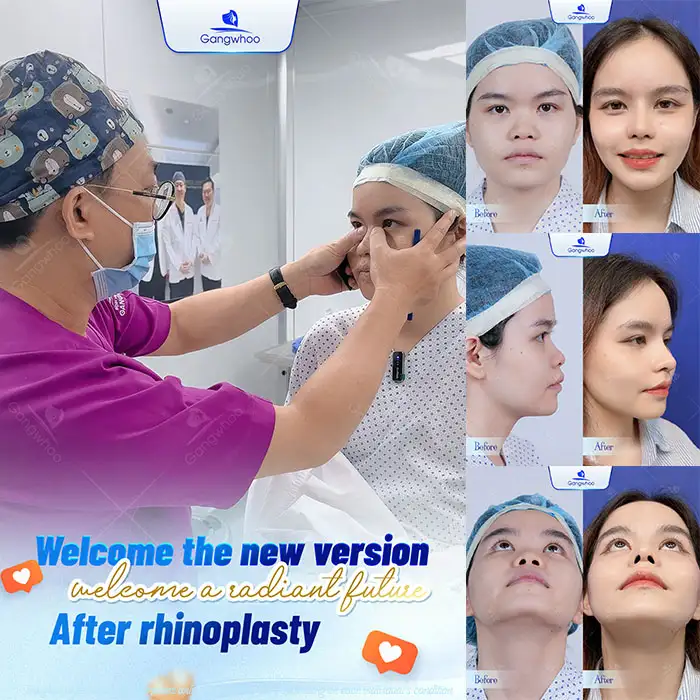
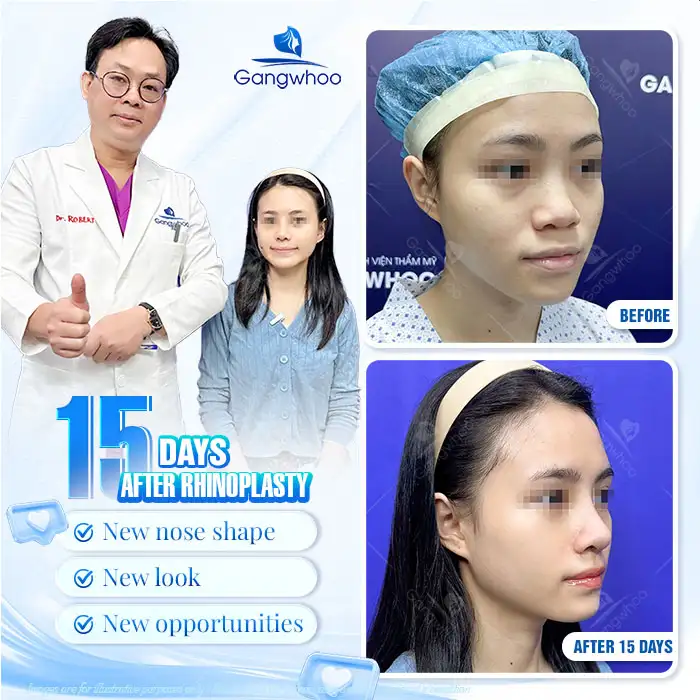
What Is Structural Rhinoplasty? When Should It Be Performed?
Phuong Uyen
Rhinoplasty
Asked: 02/01/2026
Doctor, I have learned about the structural rhinoplasty technique but do not fully understand this method yet. Could you please explain what structural rhinoplasty is? And who are typically the appropriate candidates for structural rhinoplasty? I would also like to know when is the most suitable time to undergo this procedure in order to achieve the best results and minimize risks.
Hello, the doctor understands that when researching nose correction methods, you may encounter many different terms that can be confusing. Among them, “structural rhinoplasty” is a concept that is mentioned quite frequently, especially for cases where the nose has previously undergone surgery or has complex defects. The doctor will explain it clearly so you can better visualize and understand this method.
What Is Structural Rhinoplasty?
Structural rhinoplasty is an advanced nasal reshaping method performed with the goal of rebuilding the entire internal nasal structure. Unlike techniques that only place an implant to augment the nasal bridge, structural rhinoplasty intervenes in multiple components, including the nasal bridge, nasal tip, columella, alar cartilages, and even the nasal base when necessary.
This method often combines autologous cartilage (such as rib cartilage, ear cartilage, and septal cartilage) with high-quality biological implants to ensure durability while minimizing the risk of allergic reactions or complications. With this approach, the doctor does not merely “enhance appearance” but reconstructs the foundational nasal structure, helping to correct failed noses, deviated noses, or noses deformed after multiple surgeries or due to congenital conditions.
In other words, structural rhinoplasty is like rebuilding a house from its foundation rather than just renovating the exterior. Therefore, this technique requires a high level of skill, in-depth medical knowledge, and must be performed in a standardized medical environment.
What Are the Advantages of Structural Rhinoplasty?
When discussing structural rhinoplasty, doctors often emphasize its outstanding advantages compared to conventional methods:
Comprehensive restoration and improvement of nasal shape: Not only raising the nasal bridge but also correcting the nasal tip, alar cartilages, and columella, creating a harmonious and durable result.
Correction of damaged or deformed noses: This is a “lifesaving solution” for cases of failed surgery, nasal contracture, redness and shine, bridge deviation, or skin perforation at the nasal tip.
Enhanced safety and reduced complications: The use of autologous cartilage increases biocompatibility and reduces the risk of rejection compared to using synthetic implants alone.
Natural and long-lasting results: Once stabilized, the nose can maintain its aesthetic outcome for many years, even permanently with proper care.
Optimized breathing function: In addition to aesthetics, structural rhinoplasty can improve the airway in certain cases, making breathing more comfortable.
Thanks to these advantages, structural rhinoplasty is considered a “high-end” solution in nasal surgery, offering not only aesthetic enhancement but also medical reconstruction.
When Should Structural Rhinoplasty Be Performed?
Not everyone needs this method. Doctors typically indicate structural rhinoplasty for the following cases:
Individuals who have previously undergone rhinoplasty but experienced failure and complications such as bridge deviation, redness and shine, implant exposure, or nasal tip contracture.
Congenital nasal defects with severe issues, such as an overly short or upturned nasal tip, weak columella, or deviated nasal bridge.
Cases of multiple rhinoplasty procedures leading to weakened nasal structures that require complete reconstruction.
Those who desire a natural-looking yet strong and long-lasting nasal result rather than a temporary improvement.
Therefore, you should only choose structural rhinoplasty after a direct examination by a doctor, who will assess the degree of defects and indicate the appropriate method. This is a complex technique and should not be chosen without professional consultation.
In summary, structural rhinoplasty is an advanced reconstructive solution capable of correcting difficult and damaged nasal cases while delivering long-lasting aesthetic results. However, it requires a highly skilled and experienced surgeon as well as a medical facility that meets safety standards.
If you are unsure whether your case requires structural rhinoplasty, you can visit Gangwhoo Cosmetic Hospital to be directly examined and thoroughly consulted by a nasal surgery specialist.
Hello Doctor, I am considering rhinoplasty to improve the shape of my nose because my nose is quite low and the tip is slightly wide, making my overall facial features look less harmonious. However, after researching, I found that there are many cosmetic hospitals and spas advertising rhinoplasty services, so I am quite confused about […]
I’ve heard that nowadays there are Nano breast implants without identification chips, which are different from implants with embedded chips. Doctor, could you explain exactly what Nano implants without chips are, what their advantages and disadvantages are, and whether I should choose this type? I’m a bit concerned about having a “chip” inside my body, […]
Doctor, after my rhinoplasty, I noticed that the tip of my nose feels a bit hard compared to normal, and it feels quite uncomfortable. I don’t know what causes this or whether it is a normal condition or an abnormal sign that requires a medical check-up. If this is a normal condition, what should I […]
I am interested in endoscopic breast augmentation because I’ve heard it is gentler than traditional methods. However, I am still a bit afraid of pain and concerned about risks after surgery. Doctor, could you tell me whether endoscopic breast augmentation is painful, what the procedure involves, and what should be noted after surgery to recover […]
Hello Doctor, I just underwent a rhinoplasty and am very concerned about post-operative care. Could you please advise me on the correct and scientific way to care for my nose after surgery so that it recovers quickly, reduces swelling and pain, and avoids complications? Additionally, I would like to know any important precautions during the […]
I am learning about nasal surgery and have seen many people share that rhinoplasty not only enhances beauty but also helps the face look more refined and boosts confidence. So, doctor, could you please share the practical benefits of rhinoplasty, and whether it is worth considering if my nose is slightly low but still balanced?