Hello, after rhinoplasty, monitoring the nasal shape during the recovery phase is extremely important in order to detect abnormalities early and manage them promptly. One fairly common situation that many clients worry about is a pointed nasal tip after rhinoplasty – where the nasal tip looks unnatural, overly tight, shiny, or prominently projected. Below, the doctor will clearly explain the causes and appropriate treatment approaches.
Causes of a Pointed Nasal Tip After Rhinoplasty
Rhinoplasty resulting in a pointed nasal tip may stem from various causes, mainly related to surgical technique, the type of cartilage used, or individual anatomy. From a professional perspective, the doctor analyzes the causes as follows:
- Using cartilage with excessive rigidity or inappropriate size
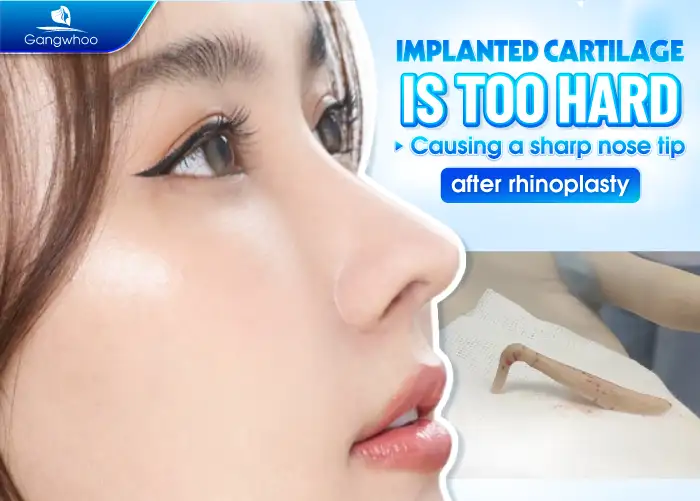
One of the most common causes of a pointed nasal tip after rhinoplasty is the use of artificial cartilage (commonly silicone or pre-shaped implants) with high rigidity and excessive projection at the tip. When the nasal tip skin is thin, this implant can exert internal pressure, causing the tip to appear sharp, shiny, reddened, or even increasing the risk of skin perforation if not addressed early.
- Thin nasal tip skin without protection using autologous cartilage
In cases where the nose is low and the nasal tip skin is thin, but the surgeon does not use autologous cartilage (such as ear cartilage or septal cartilage) to protect the tip, the artificial implant may rub against the skin, causing the nasal tip to become pointed and the implant to show through over time.
- Incorrect implant placement or excessive nasal height
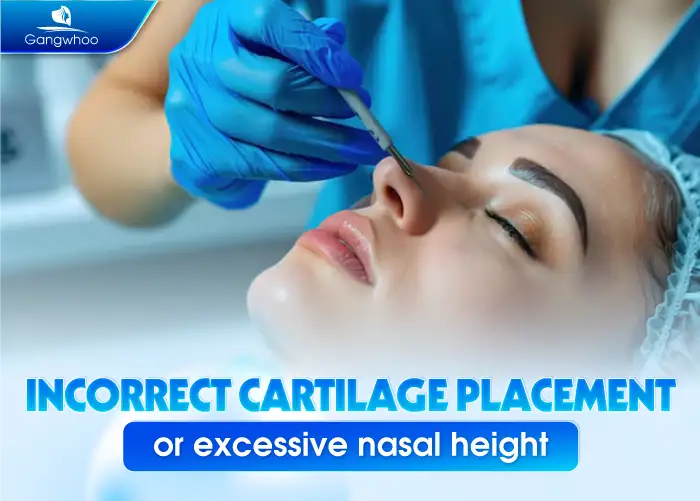
If during rhinoplasty the implant is placed too close to the nasal tip or raised excessively beyond the underlying structure, pressure on the nasal skin increases, easily leading to a pointed nasal tip and imbalance with overall facial proportions.
- Scar contracture of the nasal tip skin
Over time, scar tissue contraction or the body’s reaction to the implanted material may cause thinning of the nasal tip skin, resulting in a sharp, tight, and shiny nasal tip.
In summary, the phenomenon of a pointed nasal tip after rhinoplasty indicates an incompatibility between the implanted material, surgical technique, and the characteristics of the nasal skin. This issue should be examined early by a qualified aesthetic surgeon to prevent progression into more serious complications.
How to Manage a Pointed Nasal Tip After Rhinoplasty
Depending on the cause and severity, the doctor will select an appropriate corrective approach. Below are some commonly applied solutions:
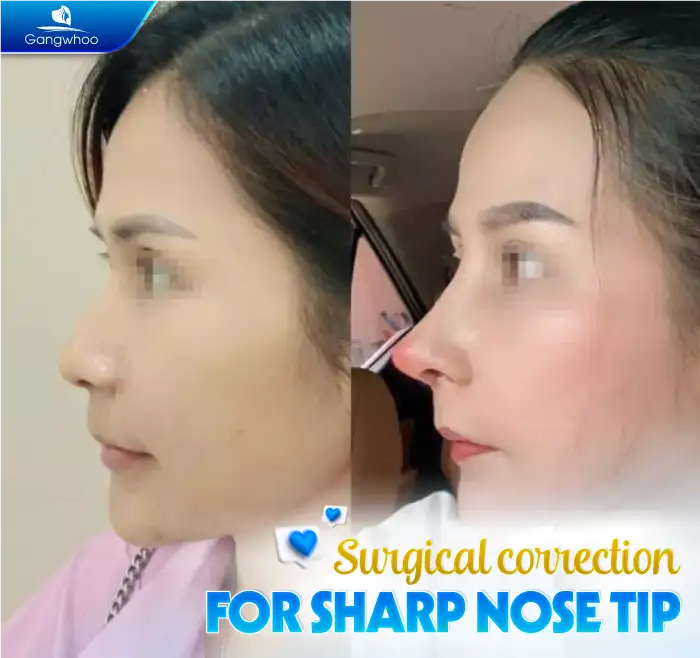
- Mild cases – slightly pointed or shiny nasal tip:If the surgery was performed within the last 1–3 months and the pointed appearance is mild, the patient may be monitored while applying moisturizing ointments, undergoing gentle massage, or receiving biological light therapy to soften the nasal tip skin. Regular follow-up appointments are scheduled to assess how well the implant adapts to the nasal tissues.
- Moderate cases – pointed nasal tip with tight, shiny, thinning skin:When signs of implant visibility appear, the doctor may indicate revision surgery, replacing the artificial implant with a softer material (such as Surgiform or Nanoform cartilage) and wrapping the nasal tip with autologous cartilage to reduce pressure on the skin.
- Severe cases – redness, exposed implant, or signs of skin necrosis:This is an emergency situation requiring immediate implant removal and complication management. Delayed treatment may result in skin perforation or infection, seriously affecting nasal structure and long-term aesthetics.
The doctor advises that as soon as you notice a pointed nasal tip after rhinoplasty or any abnormal signs, do not attempt self-treatment at home. Instead, visit a reputable specialist facility for proper examination.
Doctor’s Advice
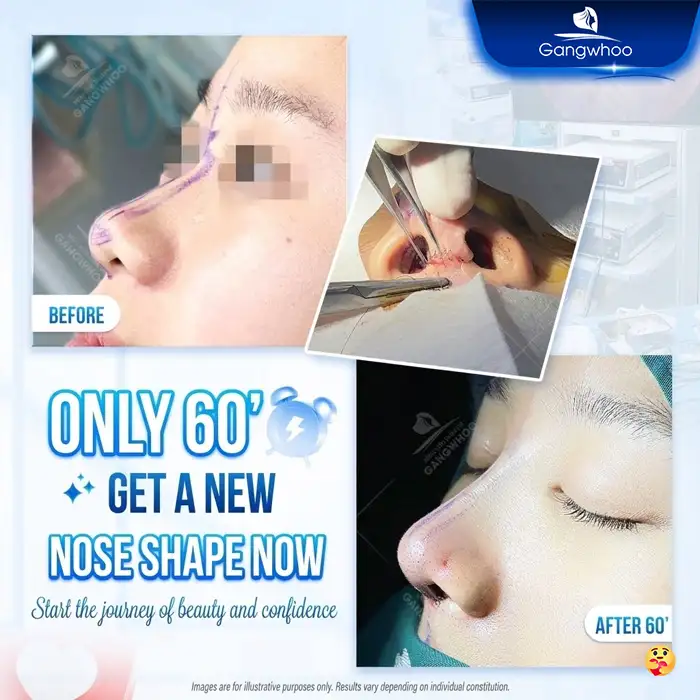
To avoid a pointed nasal tip after rhinoplasty, you should choose a reputable aesthetic facility with a team of highly skilled plastic surgeons and the use of safe cartilage materials.
At Gangwhoo Cosmetic Hospital, rhinoplasty procedures are performed using 4K endoscopic microsurgical techniques, allowing precise control of implant placement, minimal invasiveness, and no visible scarring. The hospital prioritizes the use of Surgiform and Nanoform cartilage, which offer high biocompatibility, ensuring a soft, natural nose and minimizing the risk of a pointed nasal tip or implant exposure in the future.
If you are experiencing a pointed nasal tip after rhinoplasty or need consultation on how to revise your nose shape to achieve natural, safe, and long-lasting results, please visit Gangwhoo Cosmetic Hospital for direct examination and the most optimal treatment plan.


