Hello, after undergoing rhinoplasty, not only wound care but also emotions and daily behaviors need to be carefully controlled. Many people worry about “whether it is okay to cry after rhinoplasty,” fearing that strong emotions or tears may affect the nasal shape after surgery. The doctor will help you understand this issue clearly from a medical perspective so that you can feel more at ease during the recovery process.
Is it okay to cry after rhinoplasty?
After rhinoplasty, you should try to avoid crying or strong emotional reactions during the first 2–3 weeks. This is because, at this time, the nasal structure is still in the stabilization phase, and the soft tissues and grafted cartilage have not yet firmly adhered to the nasal framework. When you cry, the muscles around the eyes, nose, and mouth contract and create pressure on the nasal area, increasing the likelihood of swelling or slight displacement of the nasal shape—especially in patients who have undergone structural rhinoplasty or deep surgical intervention.
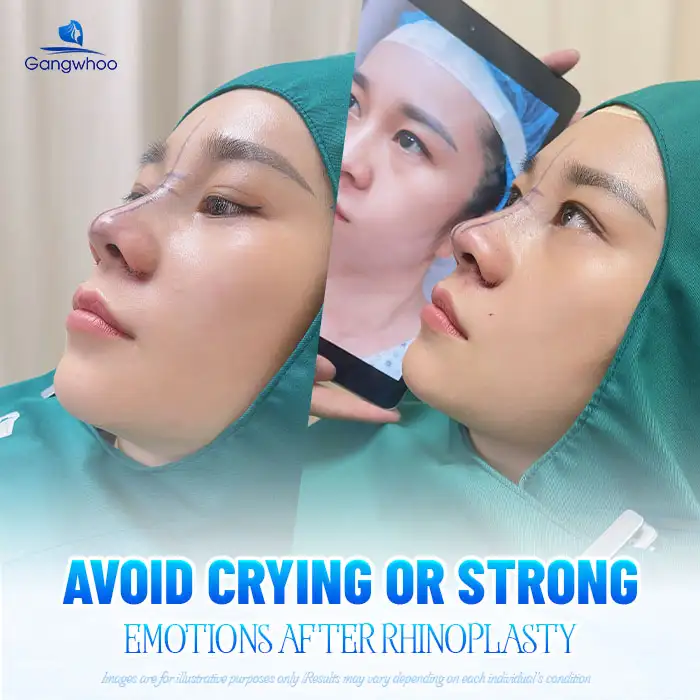
In addition, tears contain salt and the enzyme lysozyme; when they flow down to the suture area, they may cause irritation or slow the wound-healing process if proper hygiene is not maintained. Some cases have also reported prolonged swelling or redness around the nasal tip due to excessive crying during the early postoperative period.
Therefore, from a professional standpoint, the answer to the question “is it okay to cry after rhinoplasty?” is that you should avoid crying during the initial recovery phase. Once the nose has stabilized (usually after about 1 month), light tearing will no longer have a significant impact; however, you should still avoid rubbing or wiping the nasal area forcefully to prevent damage to newly formed tissues.
What should you do if you accidentally cry after rhinoplasty?
If you accidentally cry after rhinoplasty, the most important thing is to remain calm and handle it properly to minimize any negative impact on the surgical area. The doctor advises the following steps:

- Use soft tissues or medical gauze to gently blot the tears; absolutely do not rub forcefully or wipe with your hands, as this may unintentionally affect the nasal bridge.
- Clean the skin around the nose with saline solution if tears flow down to the suture area, to prevent bacterial accumulation and inflammation.
- After that, apply a light cold compress to both cheeks or the eye area (do not apply directly to the nose) to help reduce swelling.
- If after 1–2 days you notice increased swelling, pain, or unusual redness of the nose, you should contact your doctor immediately for a follow-up examination.
In most cases, light crying once or twice will not seriously affect the nasal shape; however, if crying is frequent, prolonged, or accompanied by signs of inflammation, the condition should be evaluated promptly.
Important notes after rhinoplasty
To help the nose stabilize quickly, heal well, and achieve optimal aesthetic results, in addition to avoiding crying during the early period, you should also keep in mind the following points:

- Avoid strong impact on the nose: Do not touch, squeeze, sleep on your side, or wear glasses for at least 3–4 weeks.
- Avoid foods that may cause inflammation or hypertrophic scarring, such as beef, seafood, sticky rice, water spinach, eggs, peanuts, etc.
- Maintain proper nasal hygiene: Use cotton swabs soaked in saline solution to gently clean the nasal area daily, preventing dirt or sebum buildup.
- Do not apply makeup or facial masks during the first 10–14 days, especially on the nose and upper cheek areas.
- Attend follow-up appointments as scheduled so the doctor can monitor the recovery progress and promptly address any abnormalities.
Consultation from Gangwhoo Cosmetic Hospital:
If you are in the recovery period after rhinoplasty and encounter situations such as accidental crying, nasal swelling, or unusual pain, please visit Gangwhoo Cosmetic Hospital for direct examination by a nasal specialist. With many years of experience in structural rhinoplasty, Nanoform, and Surgiform techniques, Gangwhoo not only ensures natural and beautiful nasal results but also provides scientific, safe, and medically standardized postoperative care guidance.
A successful rhinoplasty depends not only on surgical technique but also on how you care for and maintain your nasal shape after surgery—and Gangwhoo is always by your side throughout that entire process.


