Hello, I understand that after rhinoplasty, choosing the right foods is very important to help the wound heal quickly, limit scarring, and avoid inflammation. One of the common questions I encounter is “can I eat water mimosa after rhinoplasty?” — as this is a popular vegetable in many people’s daily meals. I will help you understand this issue better from a medical perspective.
Can I eat water mimosa after rhinoplasty?
Regarding the question “can I eat water mimosa after rhinoplasty”, my answer is you should temporarily NOT eat water mimosa during the early stages after rhinoplasty surgery — especially within the first 2–3 weeks.
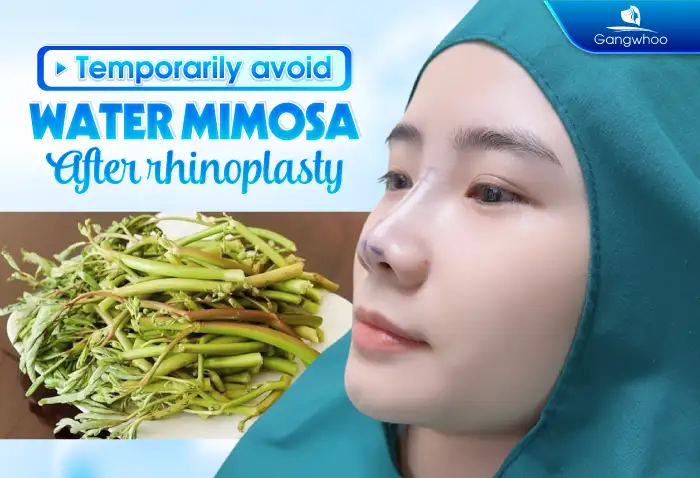
Water mimosa (also known as rau rút) is a vegetable with “cold” properties and a sweet taste, rich in fiber and minerals like calcium, iron, and phosphorus. However, in traditional medicine, water mimosa is considered a “strongly cooling” food, which can easily slow down the process of tissue regeneration and wound healing. For those who have just had surgery — especially aesthetic surgery in the nose area — eating water mimosa too early can cause the wound to take longer to close, make the new skin weak, and lead to hyperpigmentation or keloid scars.
Additionally, since water mimosa often grows in ponds and lakes, if it is not prepared and cooked thoroughly, it can easily contain bacteria or parasites — posing a risk of infection after rhinoplasty if the body is in the recovery phase and has a weak immune system.
Therefore, to ensure safety, you should abstain from water mimosa for at least the first 3 weeks and only reintroduce it to your diet when the wound is dry and no longer swollen, painful, or discharging fluid.
How long after rhinoplasty can I eat water mimosa?
Typically, about 3–4 weeks after rhinoplasty, if the recovery process is going smoothly and the incision has completely closed, you can eat water mimosa again but in small amounts and cooked thoroughly.
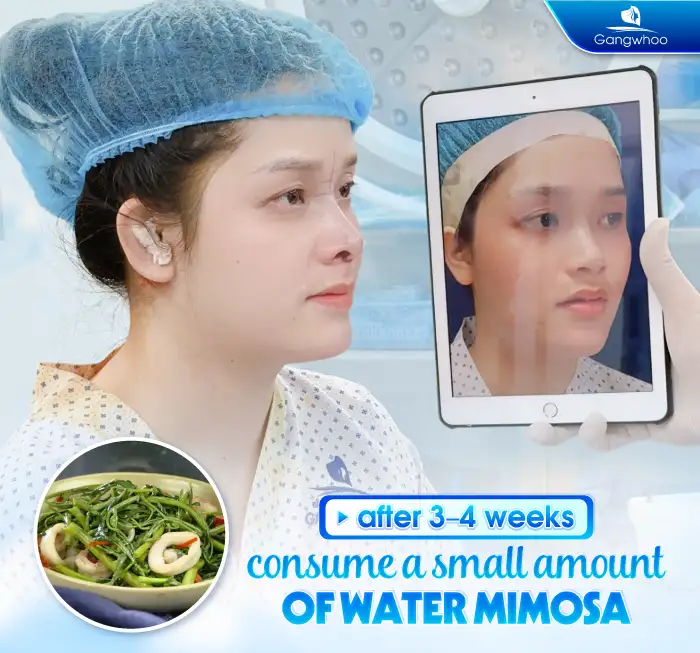
However, it is important that you follow the instructions of your direct surgeon, as the recovery rate for each person is different. Some people with a fast-healing constitution may eat it sooner, while those with sensitive skin or a tendency toward keloid scars should wait another 1–2 weeks.
I recommend that if you want to add water mimosa back to your diet, you should:
- Only eat thoroughly cooked water mimosa (such as in sour soup or boiled).
- Do not eat it raw or use vegetables left overnight.
- Monitor your body’s reaction; if there are signs of itching, swelling, or burning in the nose area, stop immediately.
What should be noted when eating water mimosa after rhinoplasty?
Once you have passed the initial recovery stage and wish to eat water mimosa again, you should keep in mind:
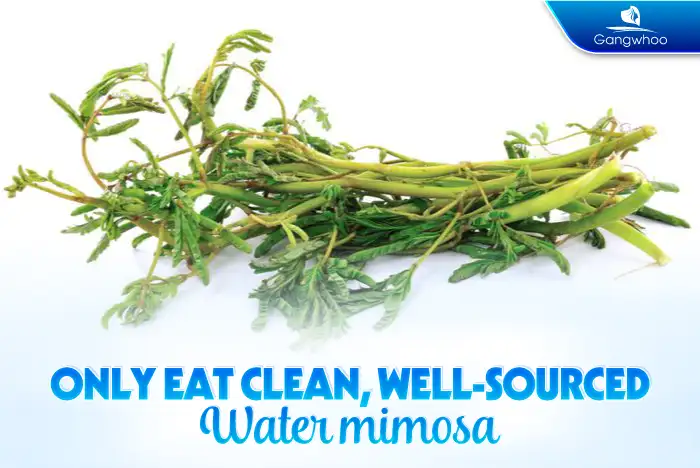
- Prioritize fresh, clean vegetables with clear origins, not harvested from stagnant ponds to avoid bacterial infection.
- Do not eat it too frequently: you should only consume it 1–2 times/week, alternating with other vegetables to balance nutrition.
- Combine with foods rich in protein and vitamin C (such as salmon, chicken breast, oranges, guavas…) to increase collagen production, support tissue regeneration, and speed up healing.
- Avoid eating water mimosa with raw seafood or cold foods, as it can cause an upset stomach and affect blood circulation at the surgical site.
Vegetables to eat and avoid after rhinoplasty
Vegetables to eat:

- Bok choy, sweet leaf, young water spinach (only eat after the nose has fully healed, around 4 weeks), amaranth, Malabar spinach, spinach… These are vegetables that supplement iron, fiber, and vitamins, supporting the tissue recovery process.
- Tubers and fruits rich in vitamin C such as carrots, pumpkin, and broccoli help increase resistance and limit swelling and inflammation.
Vegetables to limit or abstain from:
- Water mimosa, water spinach, red amaranth, and mugwort during the first 2–3 weeks post-surgery because they can affect scarring and the skin regeneration process.
- Spicy, hot foods or those containing stimulants such as garlic, chili, pepper, and alcohol — which easily cause the nose area to become red, swollen, or infected.
Thus, regarding the question “can I eat water mimosa after rhinoplasty”, I advise you to abstain for at least the first 3 weeks after surgery to avoid affecting the healing process and to ensure a stable nose shape. Once the wound has healed, you can eat it again, but it needs to be prepared carefully and consumed in moderate amounts.
If you want the recovery process to happen faster, you should adhere to a scientific diet, rest properly, and attend follow-up appointments as scheduled.
If you need more detailed advice on diet or post-rhinoplasty care, you can visit Gangwhoo Cosmetic Hospital for a consultation and specific guidance from a doctor.
Can I eat water mimosa after rhinoplasty? Does it affect health after rhinoplasty?
I have a question about eating water mimosa after rhinoplasty; does this vegetable have any negative effects on health or cause the wound to take longer to heal? I also want to know more about which vegetables and foods should and should not be eaten after rhinoplasty.


