Hello, after childbirth, a woman’s body undergoes many significant changes in terms of hormones, physical condition, and immune resistance. Therefore, whether rhinoplasty should be performed after childbirth and how long after delivery it can be safely done are questions that doctors are frequently asked. I will help you clearly understand the appropriate timing, the factors to consider, and the necessary preparations to ensure that the cosmetic procedure is both safe and effective.
How long after childbirth can rhinoplasty be performed?
From a medical perspective, women after childbirth are advised to wait at least 6 months to 1 year before undergoing rhinoplasty. At this time, the body has gradually recovered, hormones are more stable, and the skin and muscle tissues have returned to a normal state, allowing the surgery and healing process to be safer.
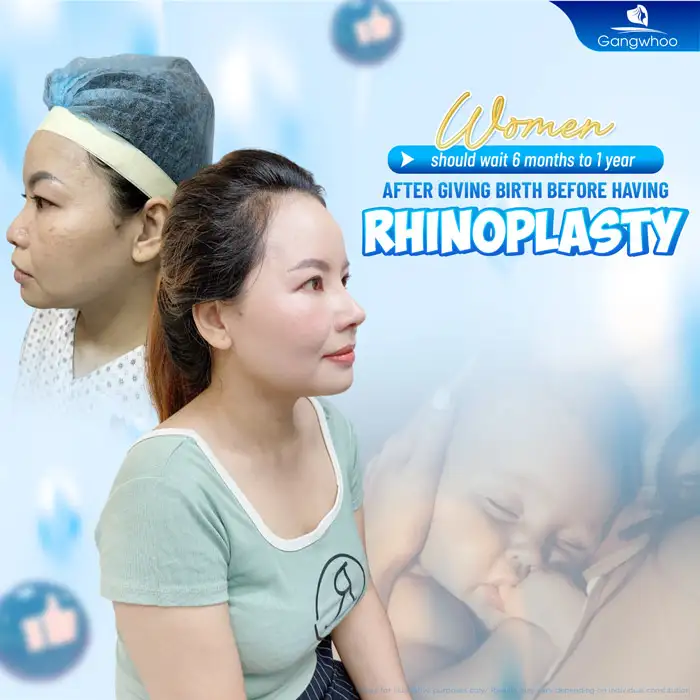
During the first 6 months after childbirth, the mother’s body is still weak, and hormone levels such as estrogen and prolactin have not yet stabilized. If surgery is performed during this period, the risk of bleeding, infection, or prolonged swelling is higher than in the general population. In addition, after childbirth, the immune system is temporarily weakened, making surgical wounds slower to heal, and cartilage more prone to rejection or inflammation if not well controlled.
If you are breastfeeding, doctors recommend stopping breastfeeding for at least 2–3 months before undergoing postnatal rhinoplasty. This is because anesthesia and antibiotics used during surgery may partially pass into breast milk and affect the baby. Therefore, only after breastfeeding has been discontinued or paused for a sufficient and safe period will surgery be considered.
In summary, at least 6 months after childbirth—ideally 1 year—is the appropriate time to undergo rhinoplasty. However, the doctor still needs to conduct a general health examination, blood tests, and hormonal evaluations to ensure that your body is fully ready for surgery.
Is it possible to have rhinoplasty immediately after childbirth?
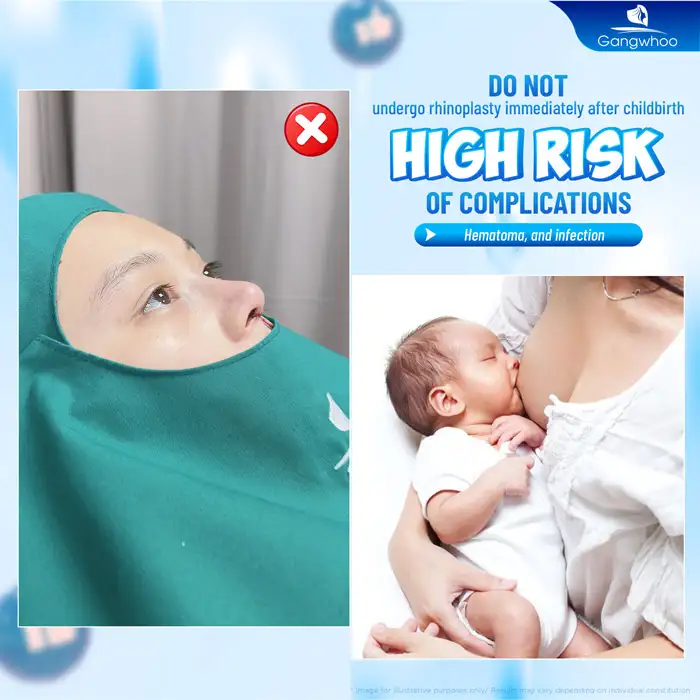
It is not recommended to undergo rhinoplasty immediately after childbirth, whether it is a vaginal delivery or a cesarean section. At this time, the body is still weak, the uterus has not fully contracted, blood volume remains high, and hormonal fluctuations are significant. Surgical intervention during this period carries a high risk of complications, hematoma, infection, and delayed recovery.
Furthermore, antibiotics and anesthetic medications used during surgery may affect breast milk production and the health of the newborn. Therefore, although the desire to improve nasal aesthetics after childbirth is understandable, postnatal rhinoplasty must be carefully planned to avoid jeopardizing the health of both mother and baby.
What should women prepare before undergoing rhinoplasty after childbirth?
Before surgery, you should:
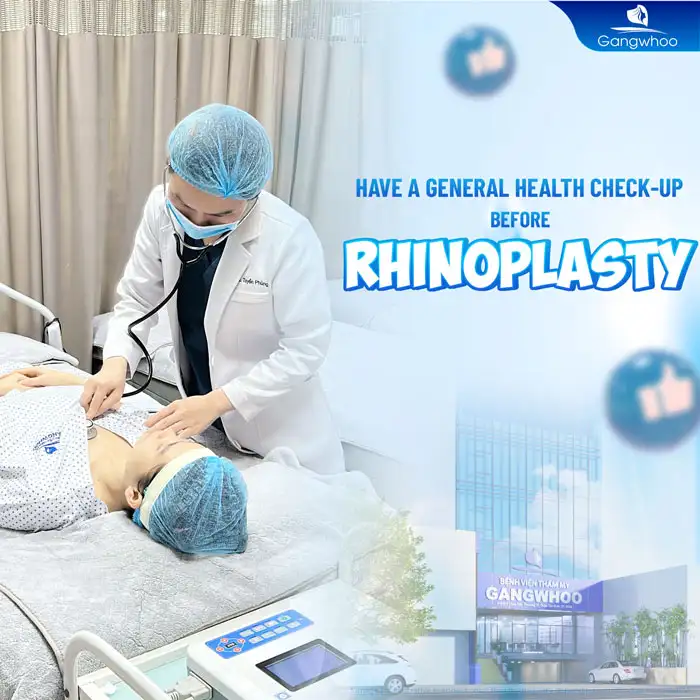
- Undergo a comprehensive health check to ensure stable blood indices, blood pressure, and hormone levels.
- Stop breastfeeding for at least 2–3 months (if still breastfeeding) to avoid potential effects on the baby from antibiotics and anesthesia.
- Stabilize mental health and body weight, and avoid surgery when feeling fatigued, stressed, or sleep-deprived.
- Choose a reputable surgical facility with board-certified plastic surgeons, as this directly determines the safety and effectiveness of the rhinoplasty procedure.
- Discuss thoroughly with the doctor about cartilage materials and suitable nose shapes. The doctor will base the decision on your nasal structure, skin condition, and individual physiology to select Surgiform or Nanoform cartilage—two premium materials with excellent biocompatibility that provide a soft, natural, and long-lasting nasal shape.
In conclusion, to answer the question “how long after childbirth can rhinoplasty be performed,” doctors recommend waiting at least 6 months, and ideally 1 year, after delivery. Rhinoplasty should not be performed immediately after childbirth, as the body has not fully recovered, increasing surgical and recovery risks.
At Gangwhoo Cosmetic Hospital, postnatal rhinoplasty is performed safely and systematically in accordance with medical standards, utilizing 4K endoscopic microsurgical rhinoplasty technology to minimize invasiveness and avoid visible scarring. Combined with authentic imported Surgiform and Nanoform cartilage, postoperative nasal results are consistently soft, natural, and harmonious with the face.
If you are considering cosmetic enhancement after childbirth but are unsure whether your physical condition is ready, you may visit Gangwhoo Cosmetic Hospital directly for a specialist consultation. The doctor will help you determine the safest timing and most suitable rhinoplasty method to achieve optimal aesthetic results.


