How many days after rhinoplasty can the nasal splint be removed? Can it be removed early?
Thuy Tien
Rhinoplasty
Asked: 05/01/2026
I had rhinoplasty 5 days ago, and my nose is still swollen, with the splint still firmly in place. I would like to ask how many days after rhinoplasty the splint can be removed, and if the swelling has reduced, can the splint be removed earlier than usual? I am worried that wearing it too long may be uncomfortable, but I am also concerned that removing it too early could affect the nasal shape.
Hello, after rhinoplasty, the early postoperative period often makes many clients anxious about how many days after rhinoplasty the splint can be removed, whether it can be removed earlier, and how to care for the nose so that the nasal shape stabilizes quickly. These are very common concerns, especially during the first postoperative week. The doctor will explain each aspect in detail so you can clearly understand the standard medical recovery process.
How many days after rhinoplasty can the splint be removed?
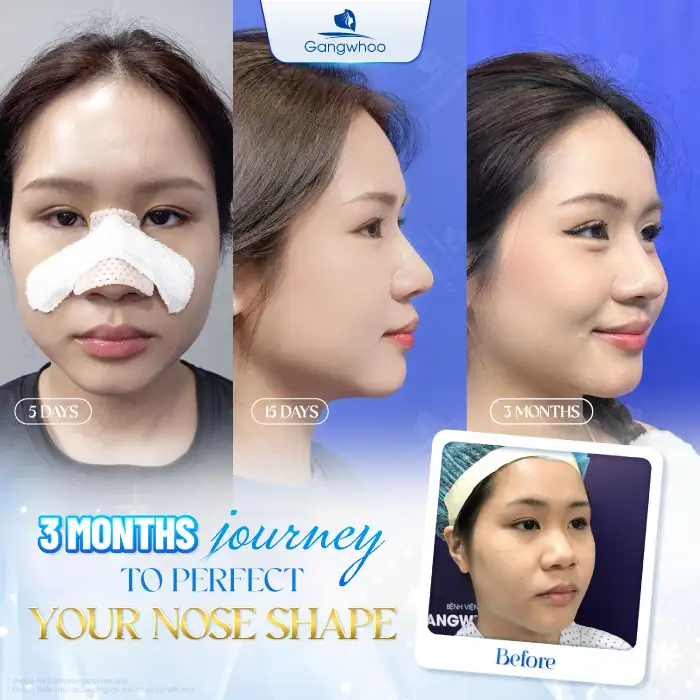
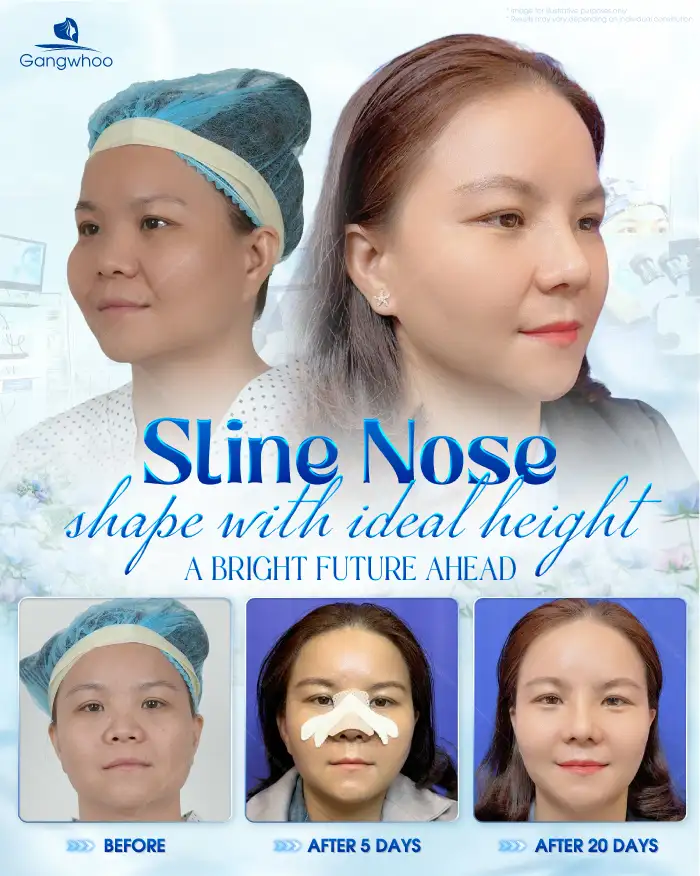
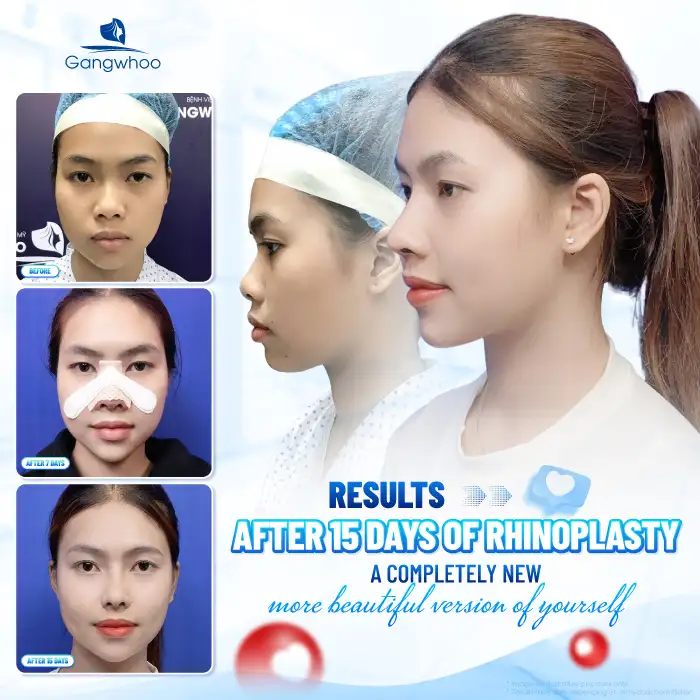
Generally, how many days after rhinoplasty the splint can be removed depends on individual constitution and the surgical technique. However, according to medical standards, the ideal time to remove the splint is after 5–7 days. This period allows sufficient time for the implant cartilage or autologous cartilage to begin stabilizing, soft tissue swelling to subside, and the nasal area to enter the initial healing phase.
During the first 5–7 days, the splint helps fix the nasal shape, keeps the cartilage in the correct position, and protects the surgical area from external impact. If the splint is removed earlier than this timeframe, the risk of nasal deviation, fluid accumulation, or impaired cartilage adhesion is quite high. Conversely, removing the splint too late is also unnecessary, as after one week, the surrounding tissues are generally stable enough to no longer require splint support.
However, for some cases with weaker constitution, slow wound healing, or significant swelling, the doctor may recommend splint removal after 8–10 days. Therefore, determining how many days after rhinoplasty the splint should be removed is best decided by a doctor through direct examination, rather than self-removal at home.
Can the splint be removed early after rhinoplasty?
It is absolutely not recommended to remove the splint early after rhinoplasty, even within the first few days. During this stage, the nasal area is still very fragile, tissues have not firmly bonded, and the cartilage can easily shift if not properly fixed. Removing the splint on your own may lead to nasal deformity, deviation, hematoma, or even infection.
The doctor will only remove the splint when the incision is dry, the cartilage has begun to stabilize, and there are no abnormal signs such as discharge, excessive swelling, or inflammation. Depending on individual healing capacity, this process is usually completed within the first week. You should strictly follow the doctor’s instructions and follow-up schedule to ensure maximum safety.
Factors affecting the timing of splint removal
The timing of nasal splint removal may vary from person to person and depends on several factors:
Individual constitution and healing speed: Those with faster recovery and better soft tissue regeneration may have the splint removed earlier.
Rhinoplasty technique: Less invasive methods such as 4D structural rhinoplasty or autologous cartilage rhinoplasty often help shorten recovery time.
Postoperative care regimen: Proper hygiene, correct use of anti-inflammatory medication, avoiding impact, and maintaining the correct sleeping position directly affect healing speed.
Doctor’s expertise and technology used: Precise surgery with minimal invasiveness helps nasal tissues stabilize faster, reduces swelling, and shortens splint-wearing time.
At Gangwhoo Cosmetic Hospital, Korean rhinoplasty techniques, 4D structural rhinoplasty, and S-line/L-line reconstruction are performed by highly experienced specialist doctors. With the application of advanced endoscopic navigation technology, surgical intervention is gentle, tissue damage is minimal, and splint removal time is often shortened by 1–2 days compared to traditional methods.
Proper nasal care while wearing the splint
During the splint-wearing period, careful care is essential to avoid affecting nasal shaping:
Keep the nasal area dry and avoid water: When washing your face, use a soft towel to gently wipe, and absolutely prevent water or cosmetics from entering the incision.
Do not touch, squeeze, or rub the nose: Any mechanical impact can cause cartilage or splint displacement.
Apply cold compresses properly: During the first 2–3 days, cold compresses help reduce swelling; afterward, you may switch to gentle warm compresses to promote circulation.
Maintain the correct sleeping position: Sleep on your back with your head elevated, and avoid lying on your sides to prevent splint displacement.
Attend follow-up appointments as scheduled: Regular check-ups allow the doctor to assess healing progress and determine the safest time for splint removal.
The doctor advises that although splint removal after rhinoplasty is only a small step in the recovery process, it plays a decisive role in the final nasal shape. Therefore, you should never remove the splint by yourself at home, but allow a specialist doctor to perform it directly.
If you are still concerned about how many days after rhinoplasty the splint can be removed or wish to have a specific examination to assess your recovery status, you may visit Gangwhoo Cosmetic Hospital. Here, doctors will conduct a thorough evaluation, provide care instructions, and advise the most suitable rhinoplasty method to ensure a beautiful, safe, and long-lasting nasal result.
Hello Doctor, I am considering rhinoplasty to improve the shape of my nose because my nose is quite low and the tip is slightly wide, making my overall facial features look less harmonious. However, after researching, I found that there are many cosmetic hospitals and spas advertising rhinoplasty services, so I am quite confused about […]
I’ve heard that nowadays there are Nano breast implants without identification chips, which are different from implants with embedded chips. Doctor, could you explain exactly what Nano implants without chips are, what their advantages and disadvantages are, and whether I should choose this type? I’m a bit concerned about having a “chip” inside my body, […]
Doctor, after my rhinoplasty, I noticed that the tip of my nose feels a bit hard compared to normal, and it feels quite uncomfortable. I don’t know what causes this or whether it is a normal condition or an abnormal sign that requires a medical check-up. If this is a normal condition, what should I […]
I am interested in endoscopic breast augmentation because I’ve heard it is gentler than traditional methods. However, I am still a bit afraid of pain and concerned about risks after surgery. Doctor, could you tell me whether endoscopic breast augmentation is painful, what the procedure involves, and what should be noted after surgery to recover […]
Hello Doctor, I just underwent a rhinoplasty and am very concerned about post-operative care. Could you please advise me on the correct and scientific way to care for my nose after surgery so that it recovers quickly, reduces swelling and pain, and avoids complications? Additionally, I would like to know any important precautions during the […]
I am learning about nasal surgery and have seen many people share that rhinoplasty not only enhances beauty but also helps the face look more refined and boosts confidence. So, doctor, could you please share the practical benefits of rhinoplasty, and whether it is worth considering if my nose is slightly low but still balanced?