Hello, one of the dangerous but often overlooked complications of rhinoplasty is nasal necrosis. This condition not only affects aesthetics but can also directly threaten health if not detected and managed promptly. Many patients frequently ask, “How can I recognize the signs of nasal necrosis after rhinoplasty and how should it be treated?” I will analyze this in detail to help you understand clearly.
What are the signs of nasal necrosis after rhinoplasty?
After rhinoplasty, if the blood supply to the nasal area is compromised, the tissue will lack oxygen and nutrients, leading to necrosis. Typical signs of nasal necrosis after rhinoplasty that you should pay attention to include:
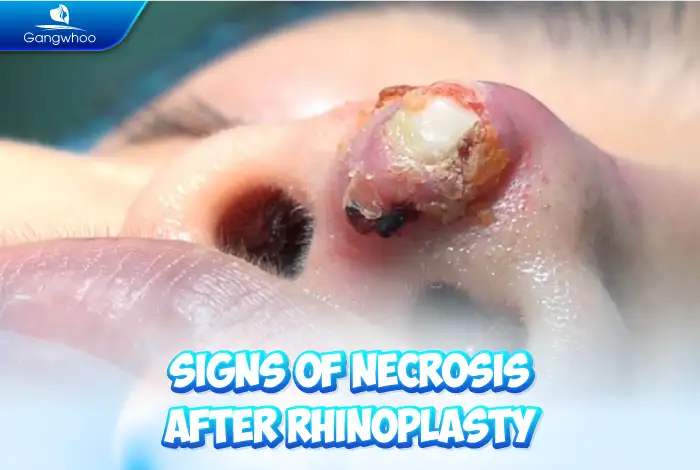
- Abnormal skin color changes: The skin on the nose may initially become very red, then gradually turn purplish, gray, or black. This indicates insufficient blood supply and tissue necrosis.
- Severe, persistent pain: The pain is not just from normal postoperative discomfort but progressively worsens, accompanied by a burning sensation and deep internal pain in the nose.
- Inflammation and abnormal discharge: The nose remains swollen and red without improvement, accompanied by yellow or green discharge or a foul odor. This is a sign of severe infection leading to necrosis.
- Thin, shiny skin with risk of implant exposure: When soft tissue lacks blood supply, the skin becomes atrophic and thin, making the cartilage underneath visible or even protruding outward.
If you notice one or more of these symptoms, you should immediately consider the risk of nasal necrosis due to rhinoplasty and seek medical attention as early as possible to avoid serious consequences.
Causes of nasal necrosis after rhinoplasty
Not every rhinoplasty case encounters this complication, but several medical causes have been documented:
Implant placed under excessive tension relative to the nasal skin: When the implant size exceeds the skin’s coverage capacity, the skin becomes overstretched, blood circulation is compromised, and necrosis may occur.
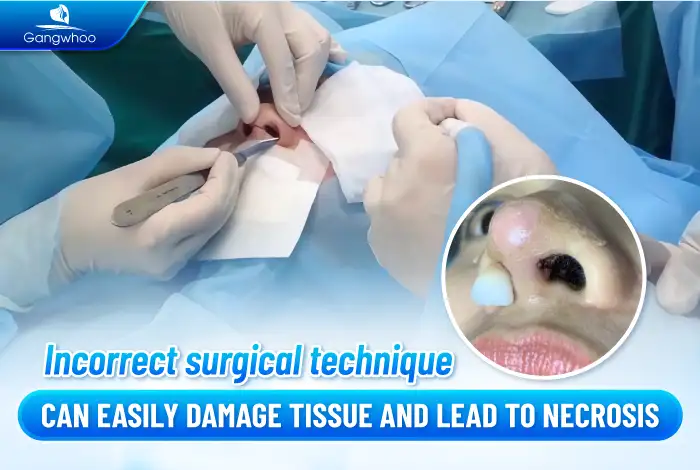
- Incorrect surgical technique: Improper implant placement, compression of blood vessels, or overly aggressive surgical manipulation causing tissue damage.
- Low-quality implants: Use of materials that do not meet medical standards can trigger inflammatory reactions and progress to necrosis.
- Postoperative infection: Inadequate hygiene, non-sterile surgical environments, or poor postoperative care can allow bacteria to invade and cause necrosis.
- Individual anatomical factors: Some patients have poor blood supply to the nasal skin, excessively thin skin, or a history of multiple failed surgeries, which increases the risk of necrosis.
How to manage signs of nasal necrosis after rhinoplasty
Once signs of nasal necrosis appear, timely management is crucial and determines treatment outcomes. Doctors recommend:
- Do not self-treat at home: Applying hot or cold compresses or using unverified medications may worsen the condition.
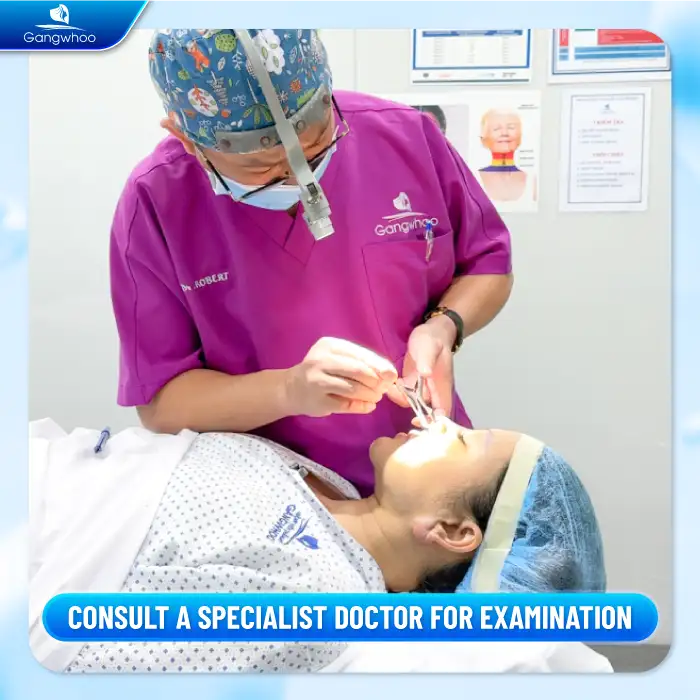
- Seek immediate medical care: The implant must be removed promptly to eliminate the cause of tissue ischemia. The doctor will then clean the infected area and prescribe antibiotics and medications to improve blood circulation.
- Tissue recovery treatment: For mild necrosis, topical medications may be used to promote tissue regeneration. In more severe cases, skin grafting may be required, or reconstruction may be planned after complete tissue healing.
- Close monitoring: Regular follow-up visits and imaging may be needed to assess blood flow and soft tissue recovery.
Necrosis is a serious complication, but if detected early and managed properly, the nasal structure can still be preserved and reconstructed later.
In conclusion, nasal necrosis after rhinoplasty is not common, but it is extremely serious if ignored. Choosing a reputable facility, a highly qualified surgeon, and medical-grade implant materials is essential to minimizing this risk.
At Gangwhoo Cosmetic Hospital, experienced specialist doctors will directly examine you, select the most appropriate method, and accompany you throughout the recovery process, ensuring rhinoplasty results that are both aesthetically pleasing and safe.


