Hello, after nose augmentation surgery, the resting and recovery phase plays an extremely important role and directly affects the final outcome of the nose shape. Many patients wonder, “Should I lie down or sit after nose augmentation?”—this is one of the questions doctors receive most frequently. Below is a detailed explanation to help you understand how to properly care for your nose and achieve the best recovery results.
Should you lie down or sit after nose augmentation?
After nose augmentation, the most suitable resting position is lying on your back with your head elevated, and avoiding sleeping on your side or bending forward for extended periods. However, during the first 24 hours after surgery, doctors recommend alternating between a slightly reclined sitting position and gently lying on your back. You should not lie completely flat or sit for too long, as this can cause blood to pool in the nasal area.
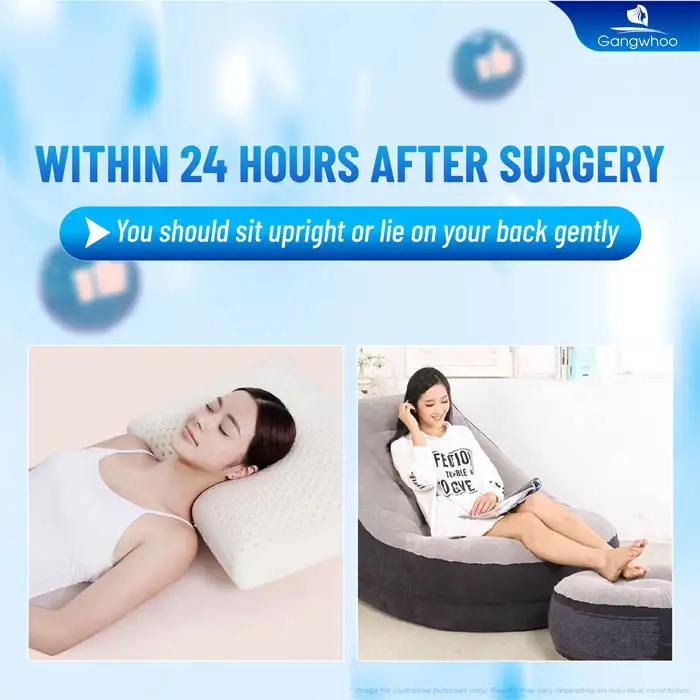
From a medical perspective, after nose augmentation, the soft tissues and cartilage that have just been operated on need time to stabilize. Incorrect positions, such as sleeping on your side or on your stomach, can create uneven pressure on the nasal bridge, causing cartilage displacement or interfering with tissue healing. In contrast, lying on your back with the head elevated at approximately 30–45 degrees helps reduce swelling, minimize fluid accumulation, and improve blood circulation in the facial area.
Sitting for prolonged periods is also not recommended, as body stiffness and fatigue can reduce blood circulation, making healing more difficult. Therefore, during the first 1–2 days, you may alternate periods of sitting for rest, but when sleeping, you should remain lying on your back, avoiding sudden position changes.
Which resting positions are best after nose augmentation?
Lying flat on your back with the head elevated
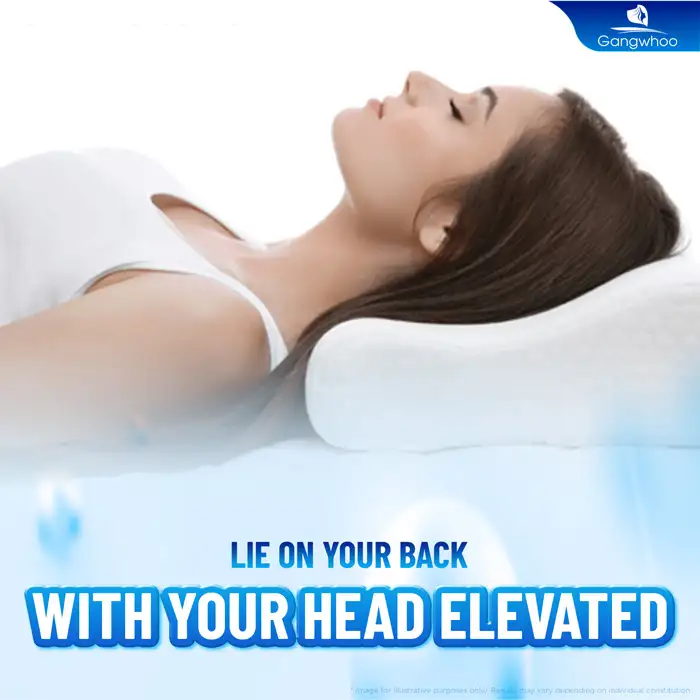
This is the ideal position after nose augmentation, as it helps maintain a straight nasal axis and minimizes impact or deformation of the nasal shape. You can place one or two soft pillows under your head and shoulders to keep your head higher than your heart, which helps reduce swelling and the risk of hematoma in the nasal area.
When lying down, keep your neck and back naturally aligned. Avoid bending your body or using pillows that are too high, which can strain the neck. These small adjustments help stabilize the nasal shape, promote faster wound healing, and reduce tightness in the nose.
Placing pillows on both sides

A small tip doctors often give patients is to place small pillows on both sides of the shoulders or hips to help maintain position and prevent unconscious turning during sleep. For those with a habit of sleeping on their side, this is especially important, as even slight turning can displace the cartilage, cause asymmetry, or prolong swelling.
Sleeping positions to avoid after nose augmentation surgery
Sleeping on one side

After surgery, the nose is not yet stable, and cartilage is prone to displacement under pressure. Sleeping on your side, even briefly, can cause the nasal bridge to shift, the nasal tip to become distorted, or results to become asymmetrical. You should completely avoid this position for at least the first 2–3 weeks, until your doctor rechecks and confirms that the nose is stable.
Sleeping on your stomach
This is an absolutely prohibited position after nose augmentation, as direct pressure from the pillow or mattress can compress the nose, damage the cartilage structure, cause bleeding or fluid accumulation, and even affect the final aesthetic outcome.
Avoid resting your arms on your forehead or covering your face while sleeping
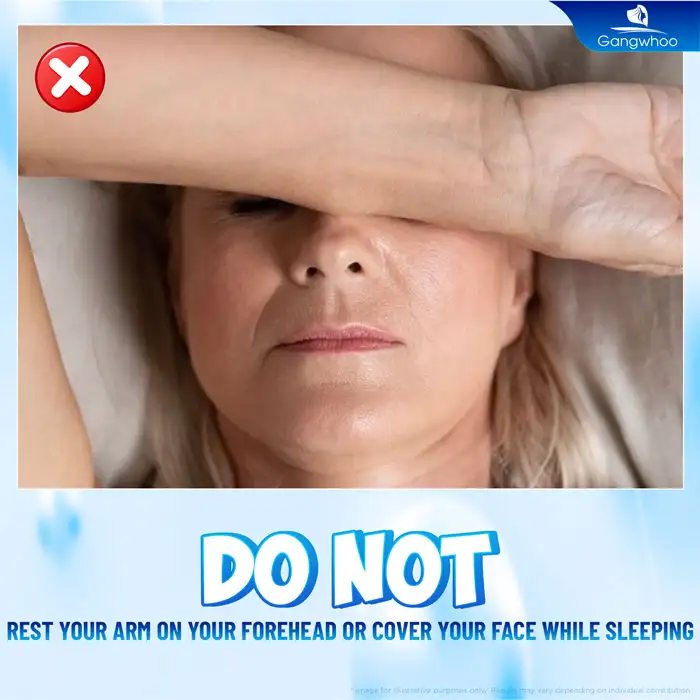
Some patients have a habit of resting their arms on their forehead or covering their face while sleeping. Although this may seem harmless, it can place pressure on the nasal area. Doctors recommend keeping your arms along your sides or hugging a small pillow, which helps you relax while avoiding contact with the nose.
Conclusion
After nose augmentation, choosing the correct resting and sleeping positions has a significant impact on recovery and the final nasal shape. If you are unsure whether to lie down or sit after nose augmentation, the answer is to lie on your back with your head elevated, limit sitting for long periods, avoid sleeping on your side, and absolutely avoid sleeping on your stomach.
At Gangwhoo Cosmetic Hospital, the team of nasal plastic surgery specialists provides detailed postoperative care instructions in accordance with medical standards. In addition, the hospital applies 4K minimally invasive endoscopic rhinoplasty technology along with premium cartilage materials such as Surgiform and Nanoform, helping the nose remain stable, soft, and recover more quickly.
If you need detailed consultation on postoperative care after nose augmentation or guidance in choosing the most suitable rhinoplasty technique, you can visit Gangwhoo Cosmetic Hospital directly to receive thorough examination and personalized instructions from specialist doctors.


